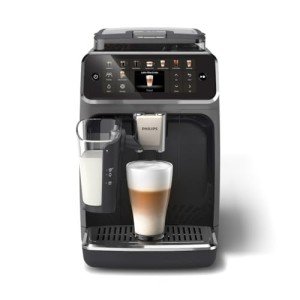
The Ultimate Guide to Coffee Machine Sales: Finding Your Perfect Brew
Coffee is more than just a beverage; for numerous, it is a ritual and an enthusiasm. Albertina Bulgarella of a good cup of coffee has actually led to an expanding market for coffee machines. Sales of coffee machines have risen over the last few years due to the growing gratitude for specialized brews and home developing conveniences. This short article aims to inform buyers about the myriad alternatives available in coffee machine sales, including types, functions, price ranges, and aspects to consider, along with providing a contrast table of popular designs.
Types of Coffee Machines
There are numerous kinds of coffee machines readily available today, each with its own unique advantages and downsides. Below are a few of the most common types:
1. Drip Coffee Makers
- Description: These machines brew coffee by leaking hot water over ground coffee, which drains pipes into a carafe below.
- Pros: Easy to use, capable of brewing large volumes, budget-friendly.
- Cons: Limited control over taste and extraction.
2. Espresso Machines
- Description: Designed to produce espresso by forcing warm water through finely-ground coffee under pressure.
- Pros: High-quality espresso shots, flexible for making different coffee beverages.
- Cons: More expensive and requires skill to run.
3. Single-Serve Pod Machines
- Description: These machines use pre-packaged coffee pods or pills to brew single portions of coffee.
- Pros: Convenience and variety of flavors, very little clean-up.
- Cons: Ongoing cost of pods, ecological issues.
4. French Press
- Description: A manual developing technique where coffee grounds steep in hot water before being pushed down with a plunger.
- Pros: Full-bodied coffee taste, minimal devices cost.
- Cons: Labor-intensive, lengthy, requires more attention to brewing method.
5. Cold Brew Makers
- Description: Designed specifically for developing coffee at room temperature level or in cold water.
- Pros: Smooth taste, less acidity.
- Cons: Takes longer to brew and requires prior preparation.
Contrast Table-- Popular Coffee Machines
| Kind of Machine | Cost Range | Developing Time | Capacity | Pros | Cons |
|---|---|---|---|---|---|
| Drip Coffee Maker | ₤ 20 - ₤ 300 | 5-10 minutes | 4-12 cups | Budget-friendly, simple to use | Less control over taste |
| Espresso Machine | ₤ 100 - ₤ 2000 | 20-30 seconds | 1-2 cups at a time | Quality espresso, flexibility | More pricey, skill required |
| Single-Serve Pod Machine | ₤ 50 - ₤ 200 | 1-2 minutes | 1 cup | Convenience, variety | Continuous costs of pods |
| French Press | ₤ 15 - ₤ 50 | 4 minutes | 1-8 cups | Economical, robust taste | Time-consuming |
| Cold Brew Maker | ₤ 25 - ₤ 70 | 12-24 hours | Variable | Smooth flavor | Requires advance preparation |
Elements to Consider When Buying
When looking for a coffee machine, purchasers should consider various elements to guarantee they choose the best model for their requirements.
1. Developing Preferences
- Decide what type of coffee you enjoy the most-- espresso, drip, or cold brew-- and select a machine that specializes in that developing style.
2. Capacity
- Think about how much coffee you typically consume in one sitting and whether you frequently amuse guests. Larger machines are ideal for frequent events.
3. Budget
- Develop a cost variety before shopping, as coffee machines can differ substantially in cost based on functions and brand.
4. Relieve of Use
- Some machines need advanced techniques and elaborate setup, while others are simple. Choose a machine that aligns with your ability level and convenience in the cooking area.
5. Maintenance
- Search for machines that are easy to tidy. Some brand names offer self-cleaning functions, which can save time and effort.
6. Durability
- Select reliable brand names known for their dependability. Check out customer evaluations and inspect service warranty choices to assess the durability of the machine.
Often Asked Questions (FAQs)
Q1: Why should I invest in a coffee machine rather of buying coffee from a café?A1: Investing in a coffee machine enables greater customization in your brewing process, possibly saving money in the long run, especially for avid coffee drinkers. Q2: Are pricey coffee machines worth
the investment?A2: Higher-priced machines generally provide much better build quality
, advanced functions, and capabilities for producing café-quality beverages in your home. Q3: How do I keep my coffee machine?A3: Regularly clean your machine according to the
maker's standards, which might include descaling and cleansing removable parts. Q4: Can I utilize any coffee with a single-serve machine?A4: Most single-serve machines need particular pods developed for the machine, though some designs provide recyclable pod choices. Q5: How long do coffee machines generally last?A5: The life expectancy of a coffee machine differs by type and brand, but many can last anywhere from 5 to 15 years with appropriate
care. Coffee machine sales provide a series of choices to fit every coffee enthusiast's requirements. From drip brewers to advanced espresso machines, understanding the various types, features
, and cost points can empower consumers to make educated decisions. It is important to consider individual choices, budget, and the machine's maintenance requirements, making sure a satisfying brew experience that begins each day off right. With this guide, prospective purchasers can explore their alternatives and discover the ideal coffee machine that will raise their coffee-making ritual.